



















MEET OUR EXPERT

You probably know at least one person who is training for their first marathon right now. If they’re new to the sport, they’re trying to gather information about all the running essentials they’ll need to get started and keep up with their friends. And that person could also very likely be you.
In a post-COVID-19 pandemic world, the sport of running is blowing up. In fact, race participation has grown more than 50 percent over the past decade, with runners registering for 5Ks, 10Ks, half-marathons, full marathons, and, yes, even ultramarathons.
Races like the London Marathon, one of the largest marathons in the world and one of seven World Marathon Majors, are setting records for its registration numbers. More than 1.1 million entered the ballot for the 2026 London Marathon, which is nearly double the number of entrants from two years ago. Fueled by Gen Z, and especially women, leading the way in the running boom, more than a third of UK entries are 18 to 29 years old and, for the first time ever, are 50/50 men and women.
Running’s growth is showing up everywhere—from packed race calendars to booming run clubs and even its impact on local communities. Last year, New York City’s running boom added almost one billion dollars to the local economy. Run clubs have become cool places to work out, hang out, meet new people, wear new tech and gear, and, perhaps most importantly, get outside and escape the realities of life.
So you want to join the (run) club? We’ve got you. Here are seven running essentials other than sneakers that you’ll need to get started in the sport.
Quick List: 6 Running Essentials Beyond Sneakers
- Reflective gear for safety
- Sunscreen for skin protection
- Running belt for carrying essentials
- Headphones for motivation
- Foam roller for recovery
- Fuel (electrolytes + carbs) for endurance
Reflective Wear
Running outside early in the morning or late after work in the dark can be scary. When it’s dark out, you can see bikes, cars, and other potentially dangerous roadblocks, but they can’t always see you. Even if you’re running in a group, protect yourself and your fellow runners, especially in the darker winter months, with some reflective gear.
Reflective gear helps ensure that:
- Cars
- Cyclists
- Other runners
can see you clearly in low-light conditions.
Options for gear include:
- Reflective vests
- Arm and ankle bands
- Headlamps for darker routes
Reflective vests are the most popular option, but there are reflective ankle and arm bands as well so you can stay safe out there. If you’re running in areas where streetlight coverage is especially minimal, or you just want to be especially visible, investing in a headlamp can be a great option.
Sunscreen
Sun damage is no joke! Another way to protect yourself is to always wear sunscreen, even on cloudy days when you think you may not need it. Because you’re going to be sweating, water-resistant sunscreen is the most ideal for when you’re headed outside for a run.
As for what SPF to go for? Look for:
- SPF 30 or higher
- Water-resistant formulas
- Broad-spectrum protection
Even on cloudy days, UV exposure adds up. Making sunscreen part of your routine is a small habit with long-term benefits.
Running Belt
A running belt can be useful for so many reasons. It’s an easy, comfortable way to carry your phone, wallet, keys, and any other must-have. It’s also an ideal place to store your fuel: water bottles, electrolyte drinks, energy gels, bars, chews, and more.
From the sleekest, most form-fitting belts to ones that have more storage room, just like with running watches, there’s a running belt for every type of runner preference.
If you’re looking for a simpler storage tool for your runs, armbands are very popular for just storing your phone and credit card. For longer runs, having easy access to hydration—like water or coconut water—can make a noticeable difference in how you feel mid-run.
If you’re wearing a sports bra, the Koala Clip comes in clutch because it clips right on the back.
Headphones
For days you’re running solo, especially if you’re on a 20-mile long run in the middle of marathon training, you might need a little extra motivation in your ears to get you through— in the form of your favorite hype songs.
Many runners prefer open-ear headphones, which:
- Let you hear your surroundings
- Improve safety
- Still deliver quality sound
Whether you’re pushing through a long run or just trying to stay consistent, a little audio motivation goes a long way. Queue up the playlist, pop headphones into your ears (or next to your ears, like with some of the Shokz headphones), and enjoy the ride.
Another plus of open-ear headphones is that they’re less dangerous. How do open-ear headphones work? They use bone conduction to transmit music directly to your inner ear and keep your outer ear uncovered, so you can still hear the music but also your surroundings.
Foam Roller
The more miles you start to rack up, the more you need to take care of your body. Stretching is great, too, but sometimes you need to get deep in those trigger points to release some extra tension in your muscles. Foam rollers can help you here.
Foam rolling helps:
- Release muscle tightness
- Improve circulation
- Reduce soreness
If you’re new to it, start with a softer roller and gradually work your way up. A wide variety of foam rollers are out there on the market today, from ones that vibrate to the classics you see at the gym.
Firmer foam rollers are harder to adjust to for first timers, so it’s recommended that you start off with one that’s a bit softer. As an alternative or supplement to foam rolling, Theraguns and its competitors are also increasingly popular tools to use after a run.
Fuel
Finally, this one might be the most important running essential of all. If you’re running for less than an hour, just drinking water is totally fine, but when you’re going the distance out there, you need more than just water to replenish your body and boost endurance. The “more than just water” fuel options come in two forms: electrolyte drinks and energy bars, chews, or gels.
The harder and longer the body works, the more your body needs:
- 30–60g of carbohydrates per hour for exercise lasting 1-2 hours
- 60-90 g of carbohydrate per hour for intense exercise lasting more than 2.5 hours
- Electrolytes to replace what you lose through sweat
On average, runners lose key minerals like sodium and potassium during longer efforts. Replenishing them helps maintain endurance and prevent fatigue hydration matter more than you think.
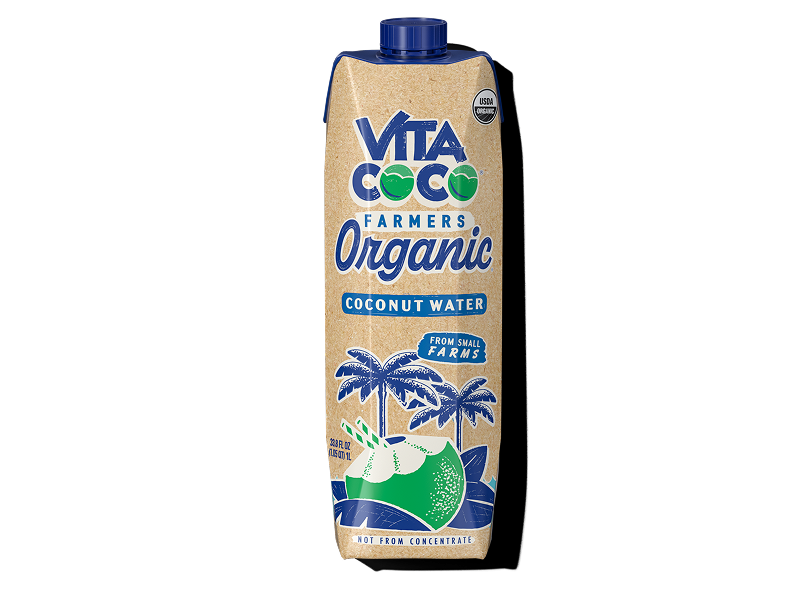
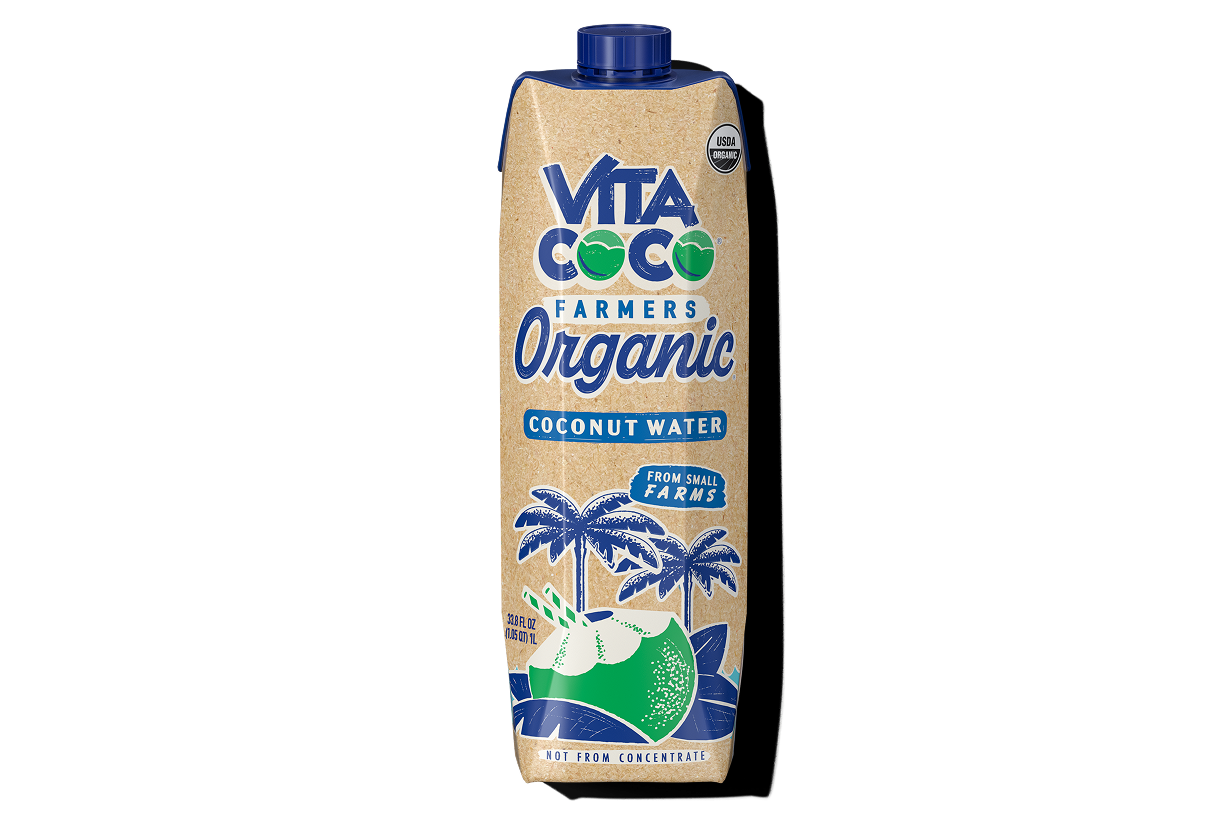
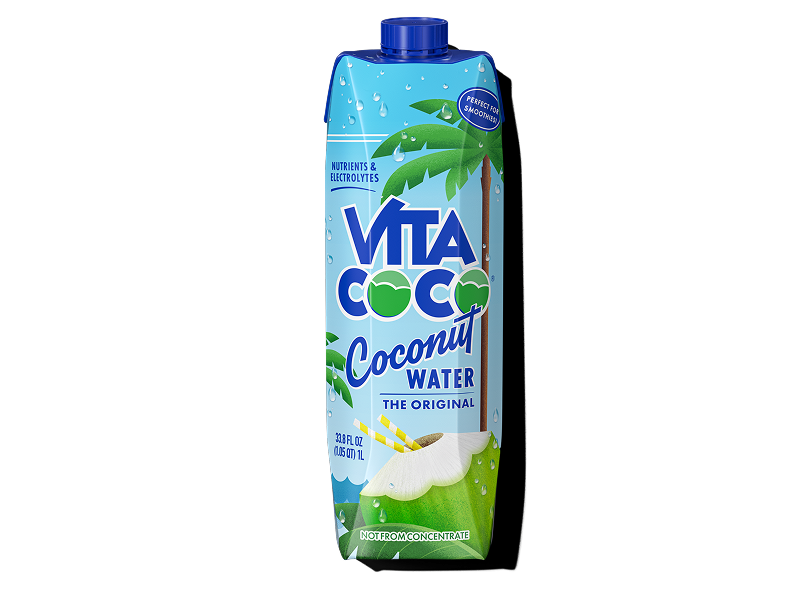
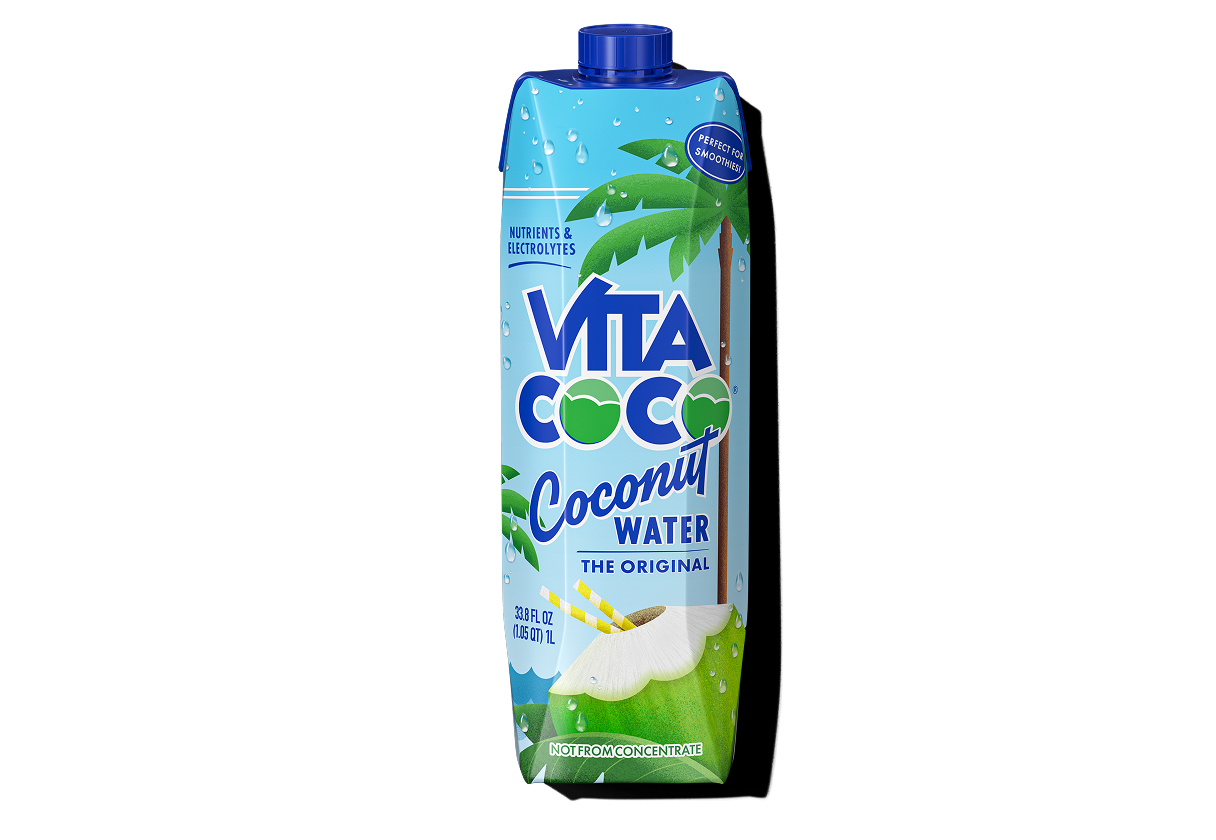
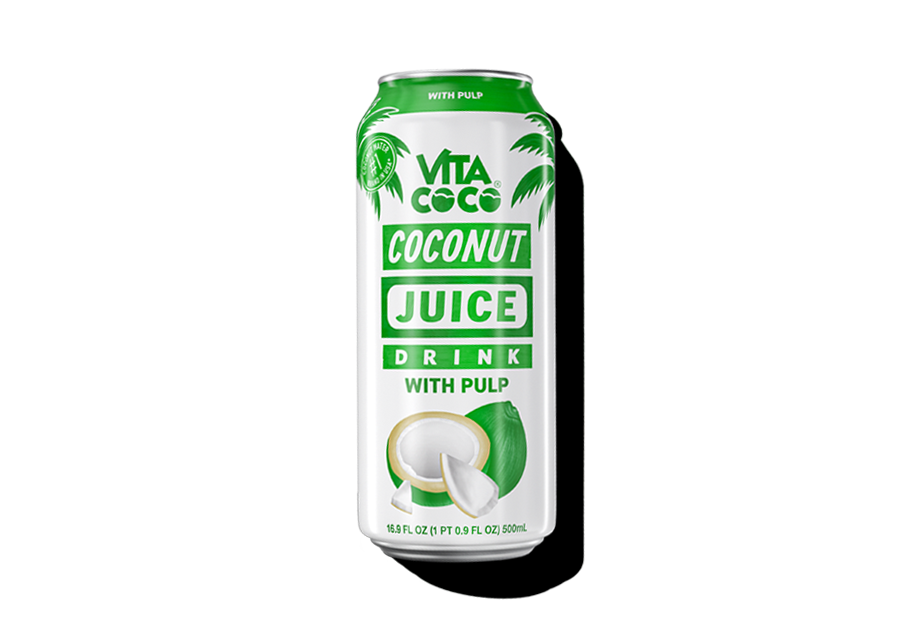
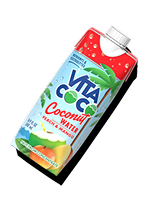
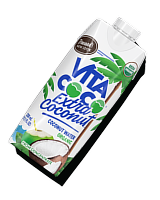
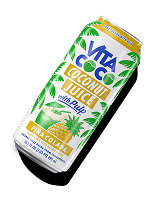
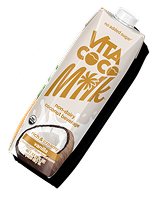
As for electrolytes, while it varies based on individual sweat rate, the average person loses about 800mg of sodium, 195mg of potassium, 20mg of calcium and 10mg of magnesium per hour, and you should try replacing at least half of those losses on runs that are an hour or longer. Coconut water is a great electrolyte drink and replenishment option for runners, with 3.5 times the electrolytes versus the leading sports drink.*
Pre-Run Hydration
Consuming coconut water before a run can help top off electrolytes and provide natural carbohydrates, supporting hydration and energy levels at the start of a workout. Its combination of potassium, sodium, and carbohydrates makes it a convenient, refreshing option for runners preparing for prolonged or intense workouts.
During-Run Hydration
Electrolyte losses during running vary widely depending on individual sweat rate and environmental conditions, with sodium being the primary electrolyte lost, though potassium, magnesium, and calcium are also lost in smaller amounts. During prolonged running, replacing fluids and electrolytes can help maintain hydration and support performance.
Post-Run Recovery
During exercise, potassium is released from the skeletal muscle, temporarily reducing intracellular potassium levels. Replenishing potassium after a run can help support fluid balance and recovery. Coconut water, naturally rich in potassium and carbohydrates, provides a convenient and refreshing way to help restore these essential nutrients post-run.
Ready to Run?
We hope you feel a little more equipped and empowered than before you read this article to tie your shoes and take on the streets—or even the treadmills. The best part about running is at the end of the day, it’s pretty simple. All you’re doing is putting one foot in front of the other.
If some other essentials help you get there, such as our coconut water, then it’s even better.
*Vita Coco Original Coconut Water has 1,149mg of electrolytes per 500ml; leading sports drink has ~292mg of electrolytes per 500ml.
Frequently Asked Questions
What should I bring on a long run?
For runs longer than an hour, bring hydration, electrolytes, and a source of carbohydrates like gels or chews. A running belt makes it easy to carry everything comfortably.
Do I need electrolytes for running?
Electrolytes are especially important for longer or high-intensity runs. They help replace minerals lost through sweat and support proper muscle function and hydration.
Is coconut water good after running?
Coconut water can be a good before, during, and after-run option because it naturally contains electrolytes like sodium and potassium. It’s a lighter alternative to traditional sports drinks and can help support rehydration.