





MEET OUR EXPERT

Breastfeeding is considered one of the most natural and essential human functions—but that doesn’t mean it’s effortless.
From cluster feeding at 2 a.m. to navigating latch challenges, sore nipples, and unpredictable schedules, new moms quickly learn that breastfeeding is both beautiful and demanding. While a baby’s needs are front and center, a mom’s hydration, nourishment, and recovery often gets overlooked.
Breast milk is made up of approximately 87 percent water, which means your body is constantly pulling from your hydration reserves to nourish your baby. If you’re not actively replenishing fluids and electrolytes, dehydration can sneak up quickly.
Whether you’re preparing for your first postpartum weeks or looking to make your feeding routine more comfortable, here are the essential items every breastfeeding mom should have on hand.
1. A Hydration Plan
Hydration isn’t optional during breastfeeding; it’s foundational.
According to the Cleveland Clinic, staying hydrated supports overall bodily function, circulation, and energy levels. For breastfeeding mothers, fluid needs increase because your body is producing milk around the clock.
Many moms notice:
- Increased thirst during feeds
- Headaches
- Fatigue
- Dry lips or skin
- Dizziness
Where Electrolytes Come In
Electrolytes like potassium and sodium help regulate fluid balance, nerve function, and muscle contractions. When you sweat (yes, postpartum night sweats are real—if you know, you know) or lose fluids through milk production, you’re also losing electrolytes.
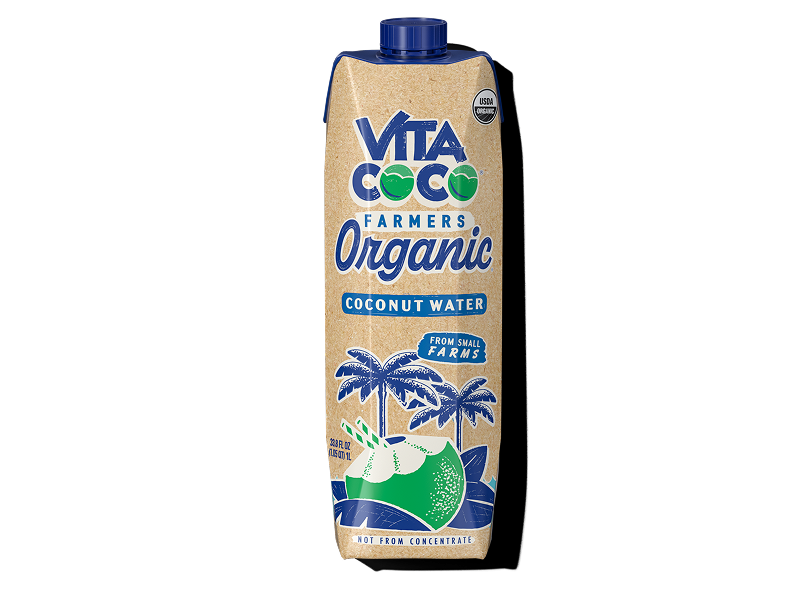
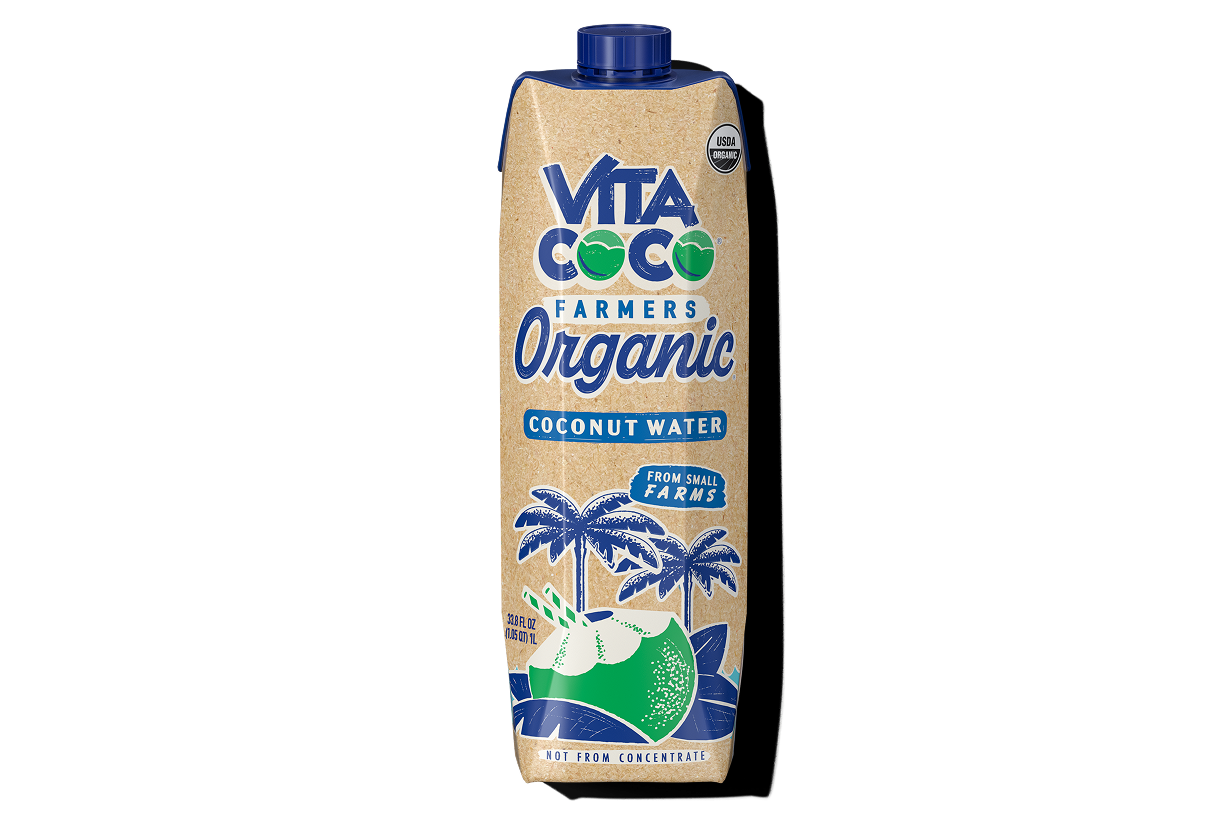
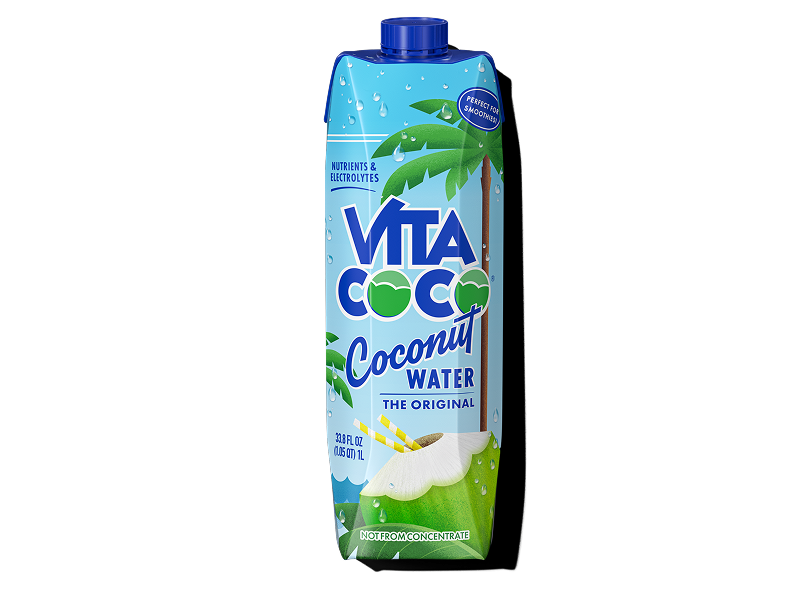
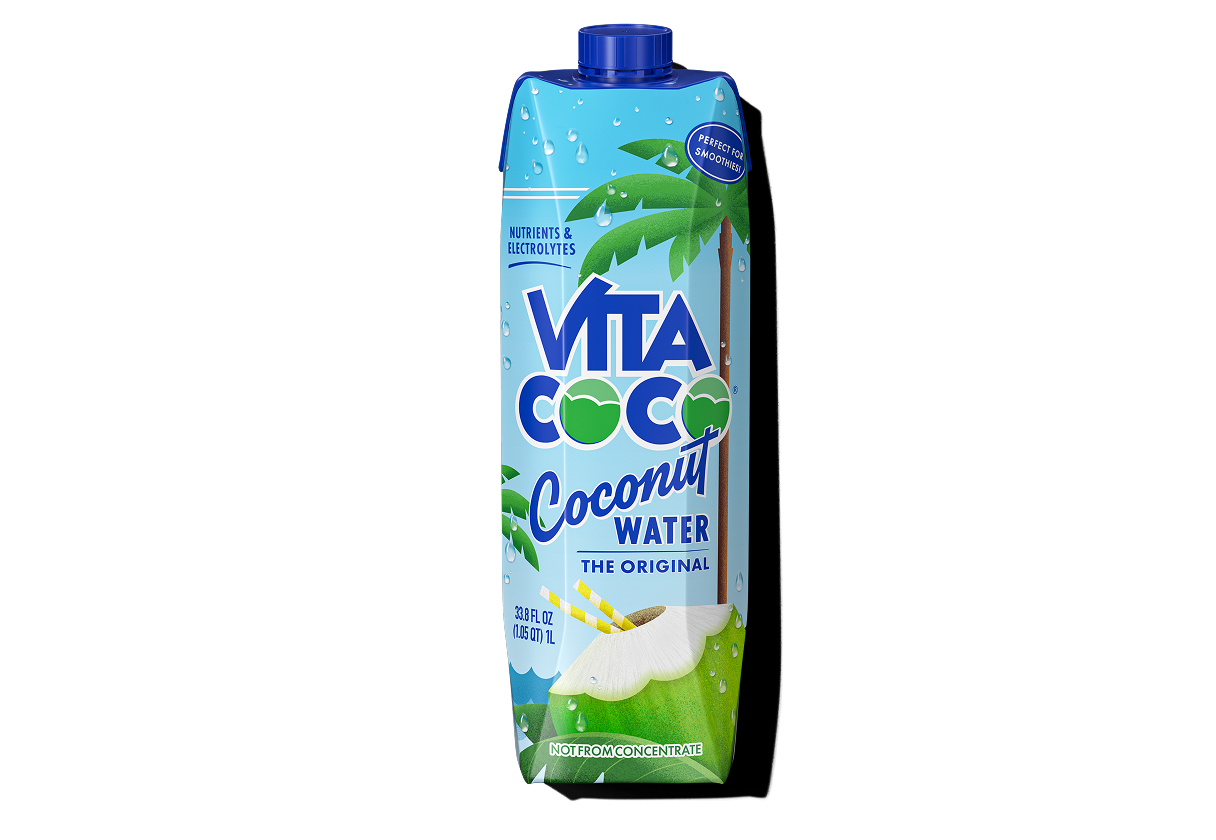
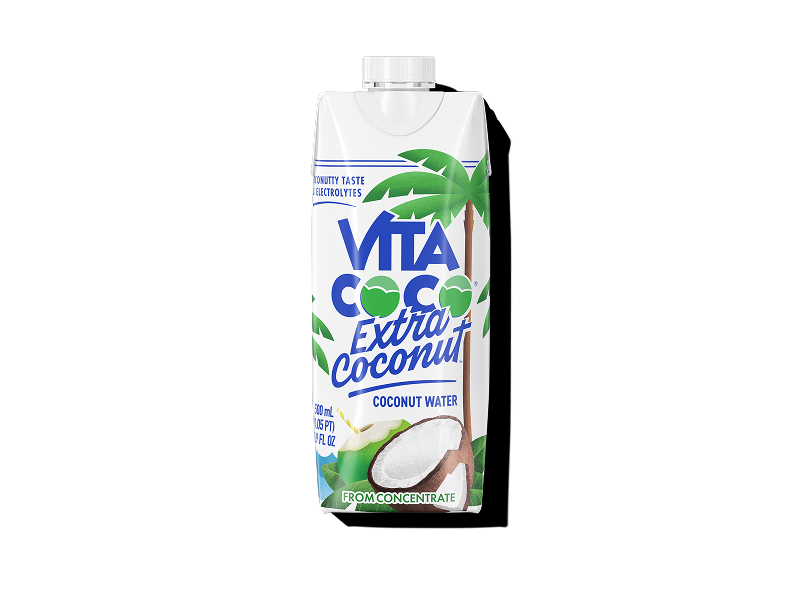
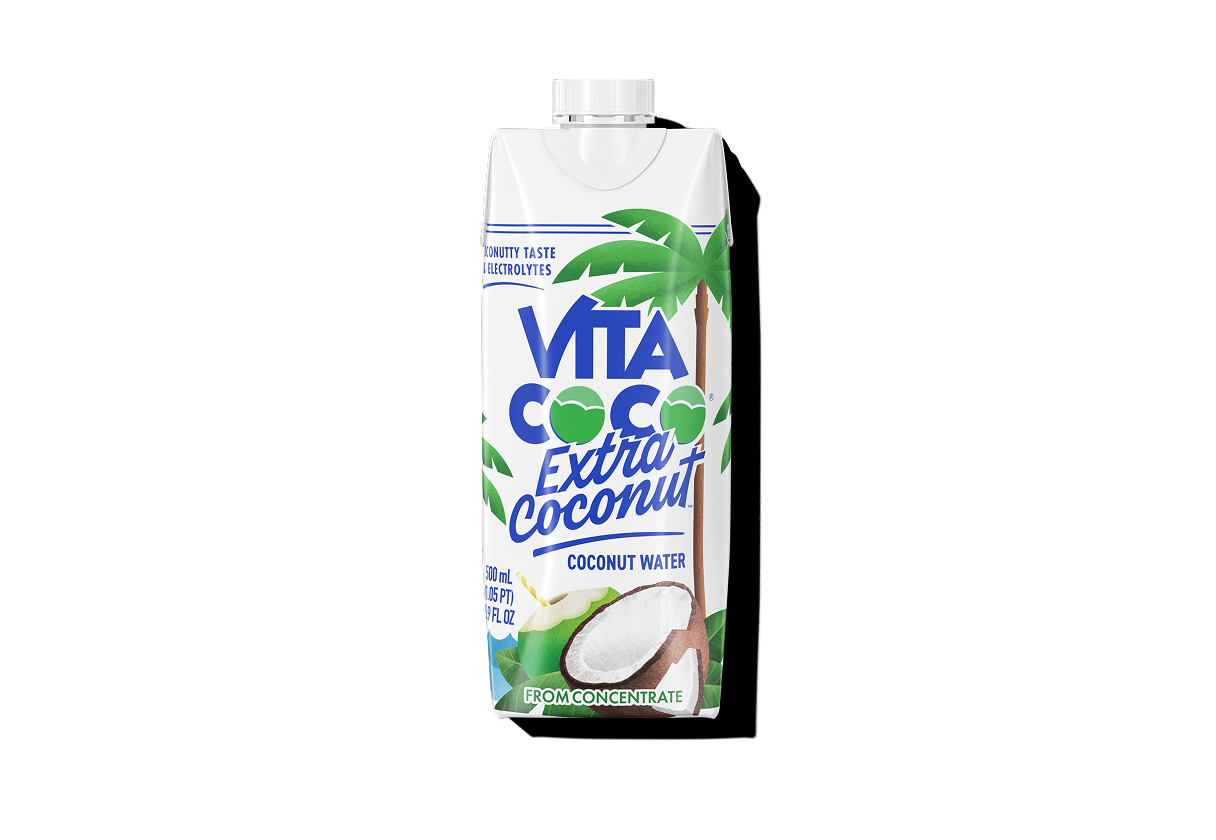
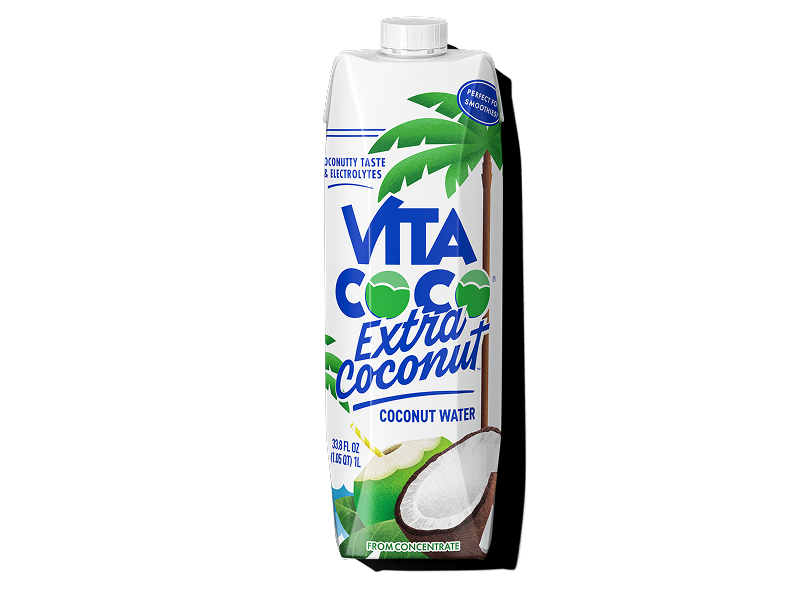
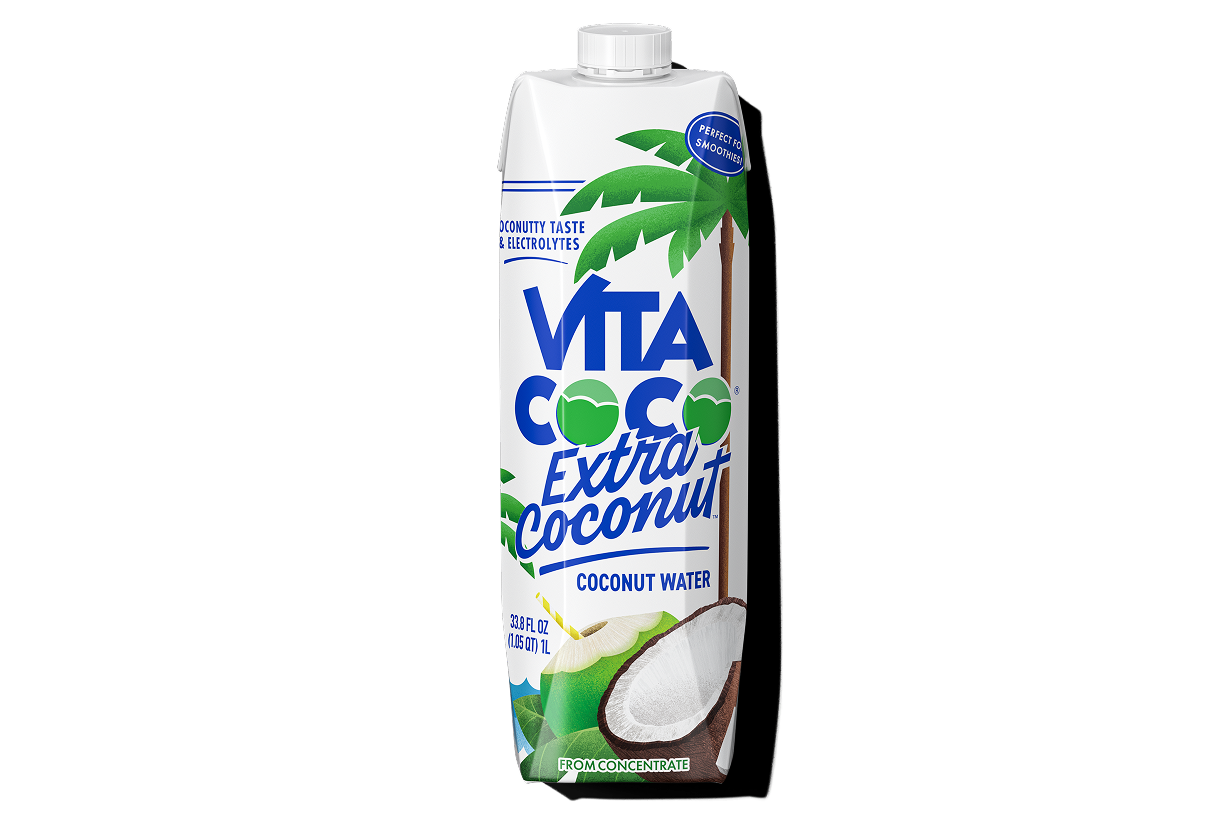
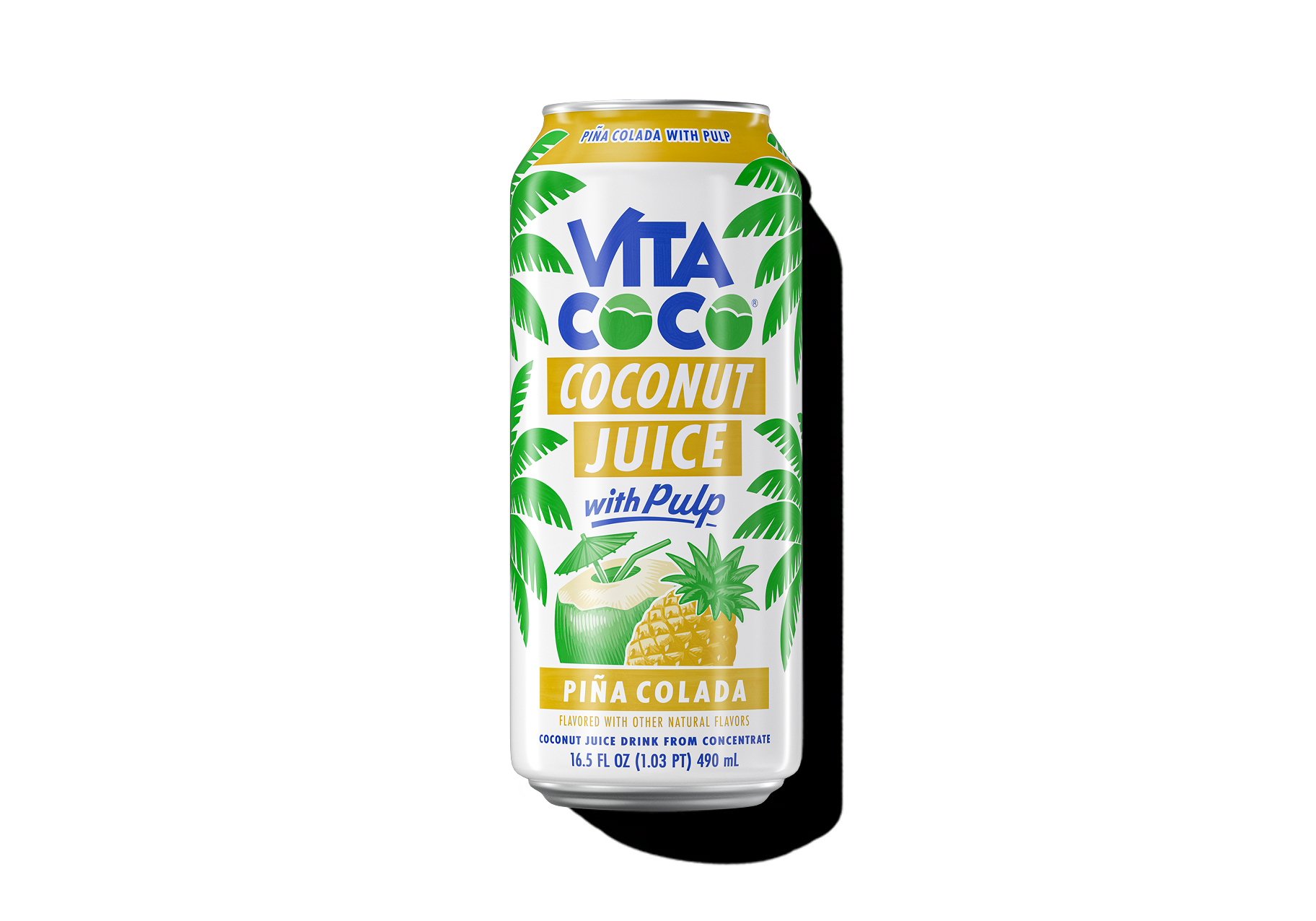
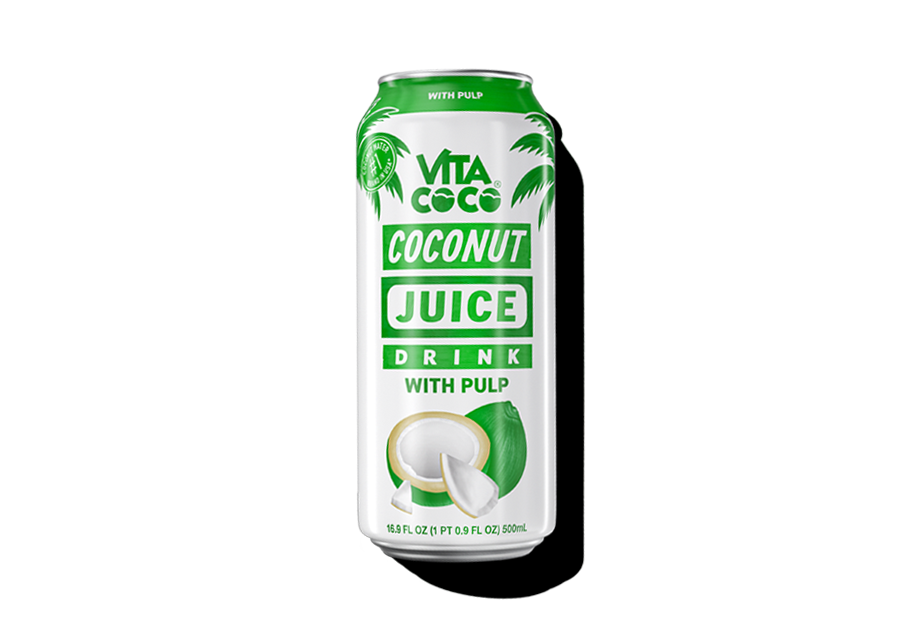
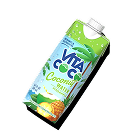
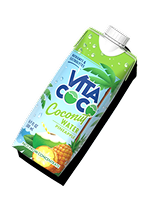
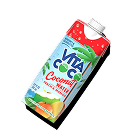
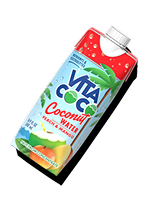
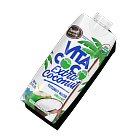
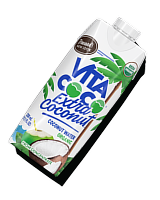
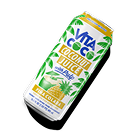
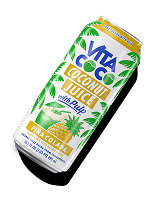
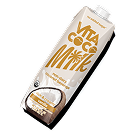
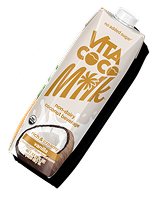
Coconut water contains potassium and naturally occurring electrolytes that can help replenish what your body uses throughout the day. It’s a refreshing alternative to sugary sports drinks and can be an easy addition to your nursing station setup.
Pro tip: Keep a bottle of coconut water within arm’s reach wherever you typically feed, especially overnight.
2. A Supportive Nursing Pillow
A nursing pillow helps bring the baby to breast level so you’re not hunching forward. Over time, poor posture can lead to neck tension, shoulder strain, and lower back pain.
When shopping for a nursing pillow, look for:
- Firm support
- Washable covers
- Adjustable shape
Comfort makes longer feeding sessions more sustainable. Plus, your back, shoulders, and wrists will thank you.
3. Nipple Care Essentials
Especially in the first few weeks, nipple tenderness is common.
The American College of Obstetricians and Gynecologists notes that while some discomfort may occur initially, severe pain is not normal and may signal latch issues.
Helpful items to have on hand for nipple care include:
- Medical-grade lanolin cream
- Hydrogel pads
- Silver nursing cups
- Breast shells for airflow
Stay stocked up on nipple care essentials to help prevent those super painful moments and—let’s face it—mental breakdowns. They aren’t fun, and taking care of yourself makes continuing to breastfeed more manageable.
4. Easy, Nutrient-Dense Snacks
Breastfeeding burns approximately 340–400 additional calories per day, according to the Centers for Disease Control and Prevention. Between feeds, you may feel hungrier than expected.
Make sure to keep some nourishing snacks within reach:
- Nut butter + toast
- Energy bites
- Yogurt + fruit
- Trail mix
- Smoothies
Balanced snacks after breastfeeding help stabilize blood sugar and energy levels, just like they do after a workout. After all, breastfeeding is a workout in itself!
Superfood Smoothies for Supermoms
A smoothie can be a quick, easy way to pack a ton of nutrients in one punch. Plus, they’re pretty portable. Adding a diverse array of fruits and veggies ensures you’re getting a variety of vitamins and nutrients, and, if we may, blending it all with a coconut water base can’t hurt (hello, extra boost of electrolytes!).
This Red Apple Smoothie is a great recipe for breastfeeding moms, as it pulls from a wide variety of nutrients—from apple, raspberries, and pineapple, to beet powder (which is a lactogenic food, meaning it can boost milk production!) and ginger for an anti-inflammatory zing.
5. A Large Water Bottle (and Something More Than Water)
Staying hydrated is essential during breastfeeding. Your body is constantly using fluids to support milk production, which can impact everything from energy levels to mood and overall recovery.
Keeping a large water bottle nearby is a great place to start—but in certain moments, water alone may not be enough.
If you’re experiencing:
- Postpartum night sweats
- Warm weather
- Long or frequent feeding sessions
You may benefit from adding fluids that contain electrolytes. Electrolytes like potassium help support fluid balance and hydration, especially when your body is losing more than usual.
Options like coconut water provide potassium and natural electrolytes without artificial dyes or excessive added sugars. Rotating between water and electrolyte beverages can help maintain fluid balance throughout the day.
Keeping a few hydrating options within reach—like at your bedside, in your diaper bag, or near your feeding station—can make it easier to stay consistent without overthinking it.
6. Breast Pads & Extra Nursing Bras
Leakage is common, especially in the early weeks while supply regulates.
Reusable breast pads are eco-friendly and soft, while disposable pads are convenient on the go. Having multiple supportive, breathable nursing bras makes daily life more comfortable. Support all the coconuts, right?
7. A Comfortable Feeding Station
Think of your feeding station as your command center. New mom, reporting for duty! If you’re going to be setting up shop here for a while, you’re going to want to maximize your comfort—both for you and the baby.
For the comfiest feeding station possible, some nice-to-haves include:
- Supportive chair
- Small table for hydration and snacks
- Phone charger
- Burp cloths
- Soft lighting
The more relaxed you are, the better. Reducing friction during feeds helps lower stress levels, which supports milk flow and overall well-being.
8. A Lactation Consultant Resource
Breastfeeding doesn’t have to be a part of life you “figure out alone.”
A range of trained professionals can offer guidance and support, including lactation consultants, nurses, midwives, OB-GYNs, and pediatricians. Many hospitals and healthcare providers offer lactation consultations, and some services may be covered by insurance.
Early support can prevent issues like clogged ducts, latch complications, and mastitis, a painful inflammation of breast tissue, often involving infection, due to blocked ducts or bacteria entering through a cracked nipple.
9. Rest & Recovery Tools
Hydration and rest go hand-in-hand.
The postpartum period involves hormonal shifts, blood volume changes, and tissue healing. Fatigue can worsen dehydration symptoms, and dehydration can worsen fatigue—it’s a cycle.
Make sure you prioritize:
- Short naps
- Delegating household tasks
- Accepting help
- Keeping fluids nearby
Accepting help can be the hardest of all, especially when you’re not accustomed to it, but don’t be afraid to take it—wherever you can, whenever you can! Even small rest windows matter.
10. A Gentle Reminder: Take Care of Mom, Too
This one goes with the one above it. It’s easy to focus entirely on the baby, but your body is doing extraordinary work: producing milk, regulating hormones, recovering from pregnancy, and adjusting to a new routine. Beyond just taking short naps and delegating a couple of household tasks like cooking or laundry, make sure to take time for some self-care.
If you can, reserve a window for a full, uninterrupted shower, reading or podcast break, face mask, warm bath, deep breathing or meditation session, or walk outside. Prioritize getting in solid meals, focusing on healthy fats and proteins for your recovery and the baby’s brain and nervous system development, too. And we’ve said it before, but we’ll say it again—make sure you’re staying adequately hydrated!
Sources
Cleveland Clinic. (n.d.). Electrolytes. Retrieved from: https://my.clevelandclinic.org/health/diagnostics/21790-electrolytes
Centers for Disease Control and Prevention. (2023). Maternal Diet and Breastfeeding. Retrieved from: https://www.cdc.gov/breastfeeding
American College of Obstetricians and Gynecologists. (2021). Breastfeeding Challenges. Retrieved from: https://www.acog.org/clinical/clinical-guidance/committee-opinion/articles/2021/02/breastfeeding-challenges
La Leche League International. (n.d.). Breastfeeding Support and Education. Retrieved from: https://www.llli.org