





















MEET OUR EXPERT

Potassium might not get the same hype as protein or caffeine, but it quietly plays a huge role in how your body functions every day. From hydration to muscle movement, this essential mineral does a lot of behind-the-scenes work, and, chances are, most people don’t think about it nearly as much as they should.
So wait... why are we, a coconut water company, talking about potassium? Where do we fit in the potassium picture?
One of the easiest ways to support potassium intake is by including potassium-rich foods and beverages in your routine. Coconut water naturally contains potassium and other electrolytes that help your body stay balanced and hydrated.
Now let’s get into the nitty gritty. Here are seven potassium questions people don’t always realize they should be asking, answered in a way that doesn’t sound like a science professor is giving a lecture you can’t understand.
1. What is potassium?
Potassium is an essential mineral and electrolyte that the body needs to function properly. It’s one of those nutrients that quietly does a lot of important work in the body behind the scenes. Because your body can’t make potassium on its own, you get it through food and beverages.
An electrolyte is just as it sounds—electric. It carries an electrical charge, which is how potassium can help regulate fluid balance, nerve signals, and muscle contractions throughout the body. Potassium is found naturally in many plant-based foods and beverages designed to support hydration, including coconut water, which has become a popular natural source because of its electrolyte content.
2. Why is potassium important?
Potassium supports several core functions that keep your body running smoothly. Think of potassium like a basketball point guard: not always scoring all the points but making all the little plays that win the game.
One of its primary roles is helping maintain proper fluid balance. Potassium works alongside other electrolytes, like sodium, to help control how water moves in and out of cells, which is essential for hydration, circulation, and overall cellular health.
Potassium also supports normal muscle function and nerve communication, making it especially important for people who are active, spend time in the heat, or sweat regularly.
3. What does potassium do in the body?
Potassium packs some serious power. This essential mineral helps regulate several important processes in the body, including:
- Supporting normal muscle contractions
- Aiding nerve signal transmission
- Helping manage fluid balance at a cellular level
- Supporting heart and muscle function
When you move, exercise, or sweat, your body relies on potassium to help muscles contract and relax properly. At the same time, potassium helps ensure fluids are distributed where they’re needed rather than just passing through the body, which is why it helps with effective recovery and everyday energy.
4. Why does potassium matter for hydration?
Hydration isn’t just about drinking water—it’s about where that water goes.
Potassium helps move fluids into cells, supporting proper hydration at a cellular level. When you sweat, you lose fluids *and* electrolytes. Replacing potassium supports your body’s ability to rehydrate more efficiently, especially after exercise, time in the heat, or during long, active days.
5. What happens if you don’t get enough potassium?
Many people don’t even realize they’re not getting enough potassium because with a potassium deficiency, you don’t always show immediate symptoms, but not getting enough of this key nutrient can really affect how your body feels and functions.
So what do low potassium intake symptoms look like? It may contribute to fatigue, muscle weakness, or cramping, especially during or after physical activity. Because potassium plays a role in fluid balance, inadequate intake can also make it harder for your body to stay properly hydrated.
Today, we eat a lot of processed foods that often have plenty of sodium, which is also a crucial electrolyte, but not enough potassium, which can throw the electrolyte balance in your body out of sync. Including potassium-rich foodsand beverages in your diet regularly helps maintain that balance.
6. Does potassium help with muscle recovery?
Potassium supports normal muscle function, which is why it’s commonly linked to muscle recovery. If you need it to function normally, it makes sense that you’d want more of it when you’re working harder to make up for the fact that, well, you’re working harder.
During physical activity, especially in very sweaty scenarios (think hot yoga or a run on a warm day), the body loses electrolytes. Replacing potassium helps muscles contract and relax properly, which can support recovery after movement.
While potassium alone isn’t a cure-all when it comes to muscle recovery, it plays an important supporting role when paired with adequate hydration and overall nutrition, which is why post-workout electrolyte beverages are popular with athletes and active people.
7. What foods and drinks are high in potassium?
We saved the best question for last. Potassium can be found in a variety of whole foods, especially plant-based ones (vegetarians, rejoice!). Some common potassium-rich foods include:
- Bananas
- Avocados
- Sweet potatoes
- Spinach
- Beans and lentils
- Oranges and other citrus fruits
In addition to whole foods, certain drinks can also help make it easier for you to meet your potassium needs without relying on a bunch of supplements that you take in various forms and can’t even keep track of.
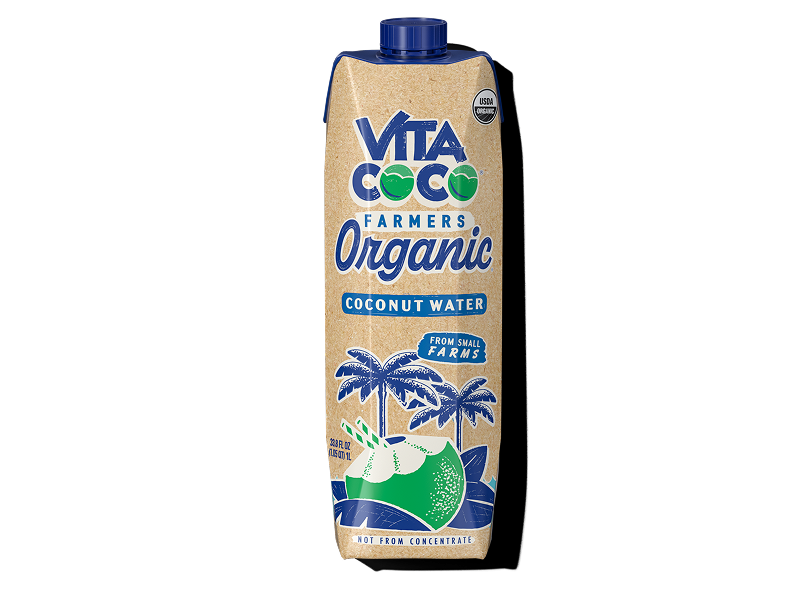
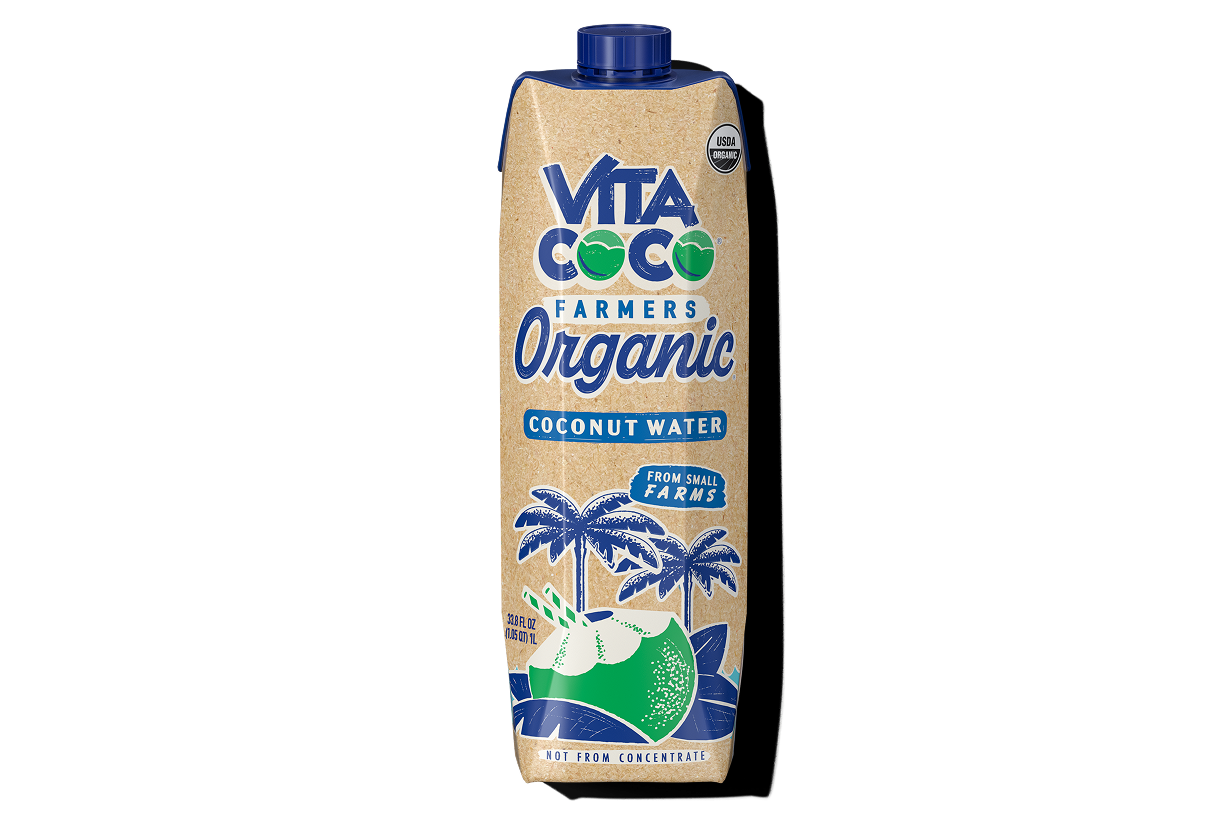
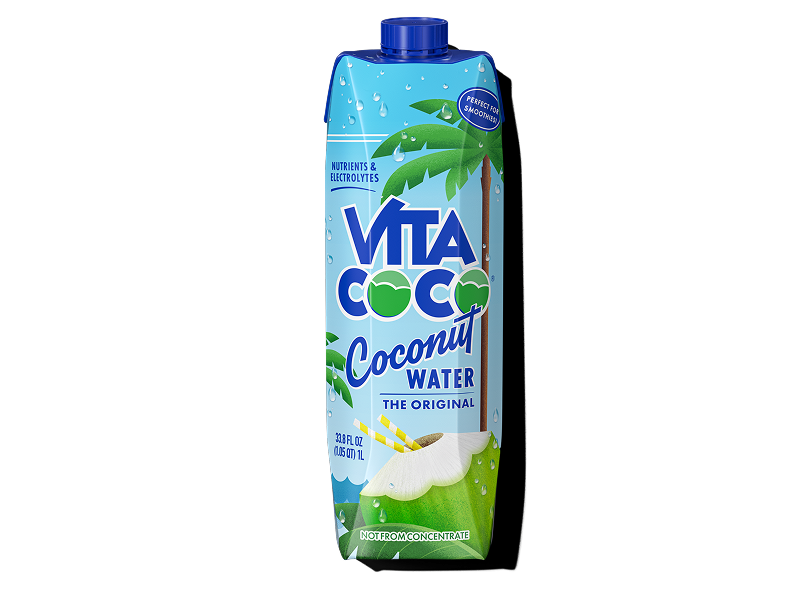
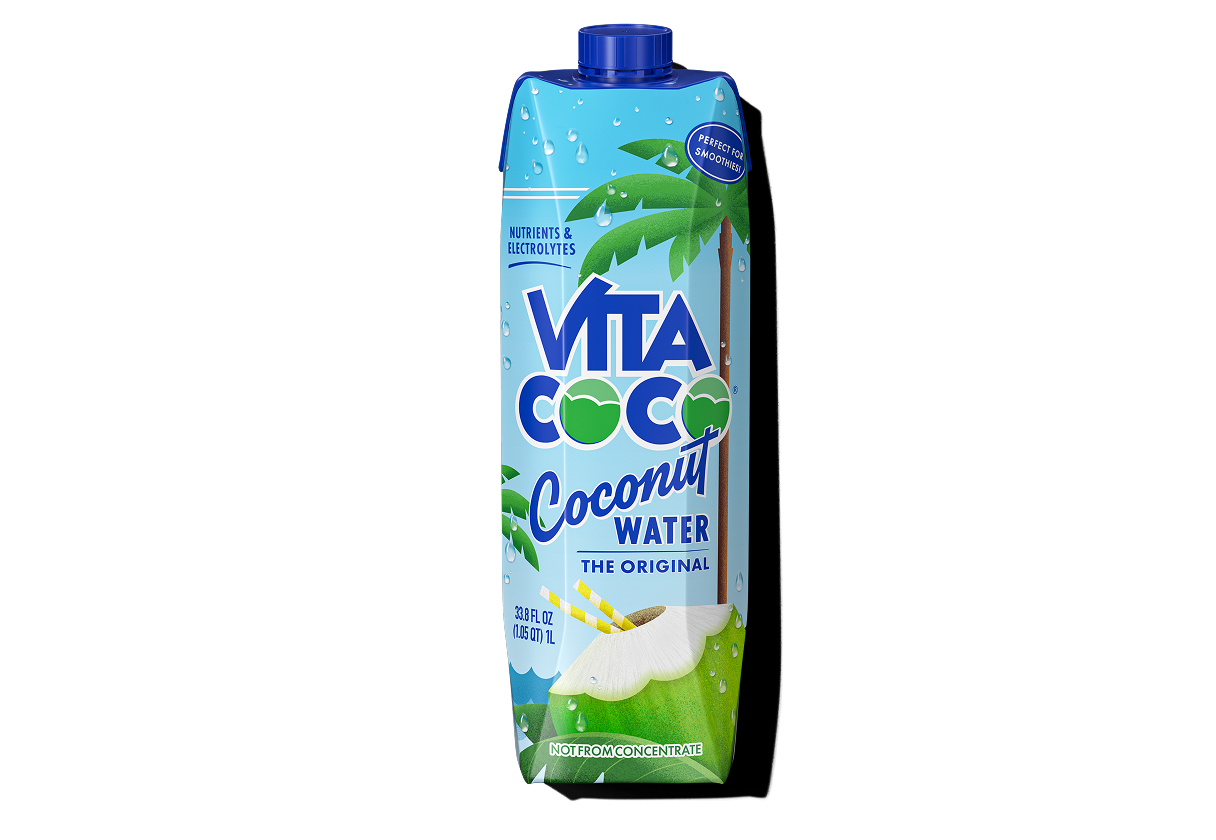
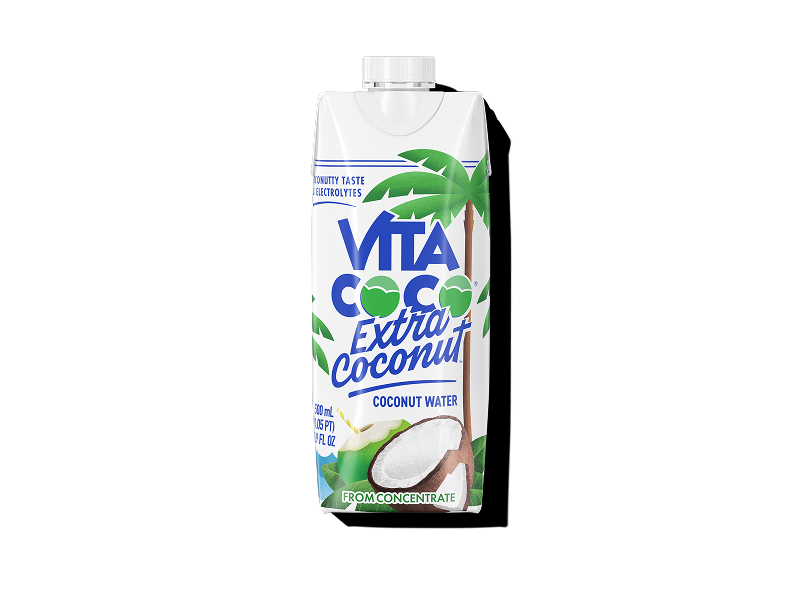
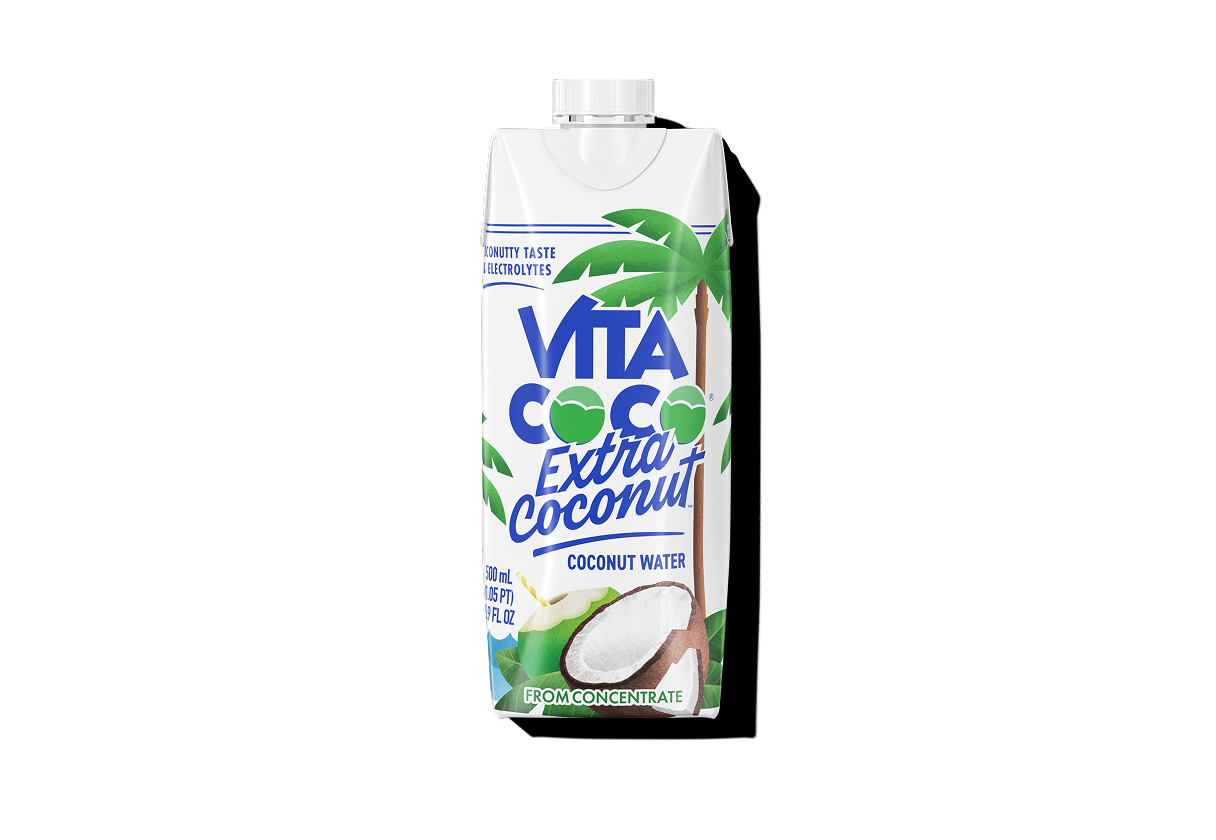
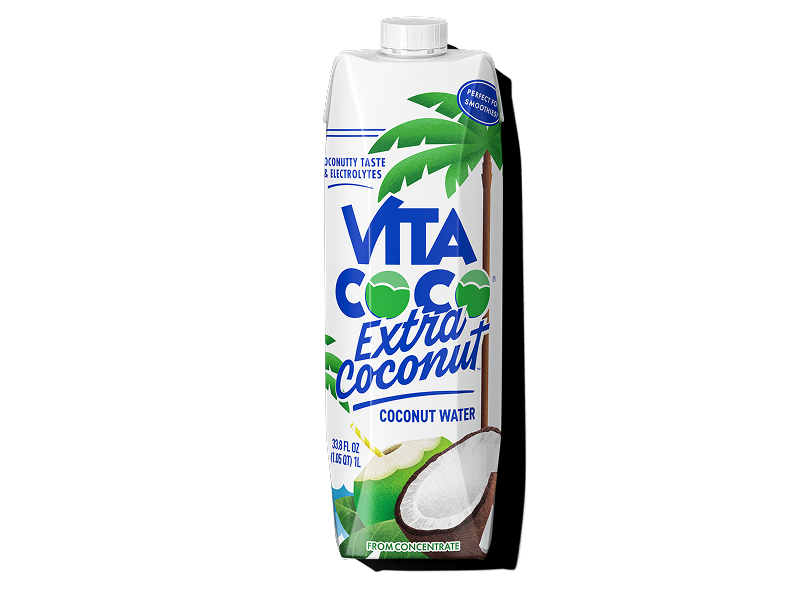
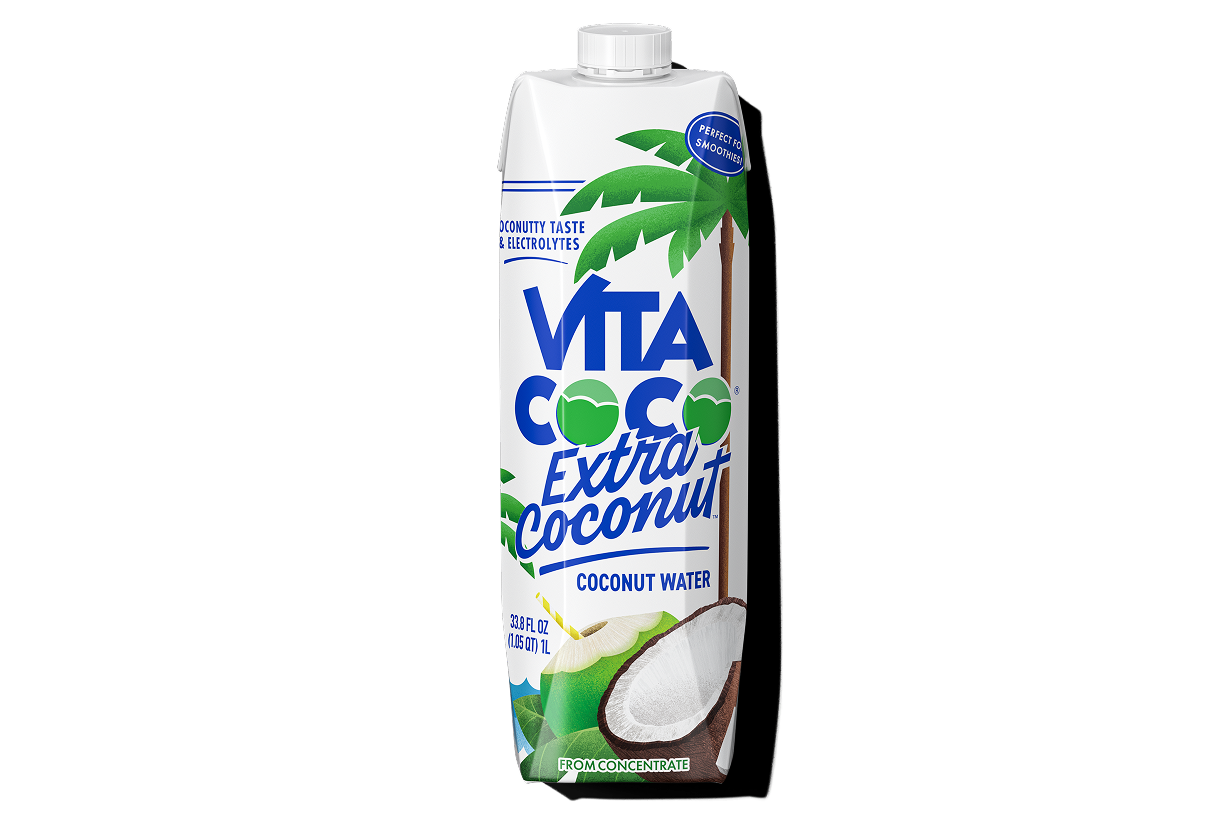
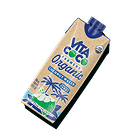
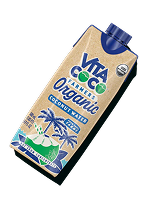
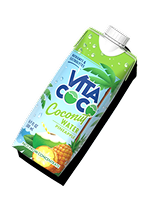
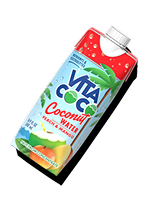
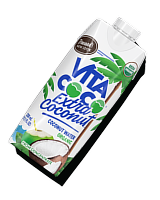
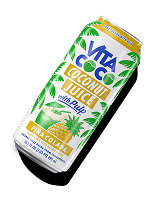
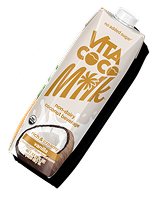
And that’s where Vita Coco can come in clutch. Most people think of coconut water as just a tropical-tasting beverage, but the longtime coconut drinkers will tell you that it’s so much more. Easy to enjoy anywhere, anytime, and especially on the move, coconut water has become a hydration go-to, as it’s also known for its naturally occurring electrolytes, specifically potassium, which can help maintain the electrolyte balance in your body more effectively than water alone.
To get you going on your potassium journey, we’ll leave you with a great workout recovery smoothie packed with plenty of potassium-rich ingredients, including Vita Coco Coconut Water, of course. Head to our recipe page and check out the Supercharged Workout Smoothie. Happy sipping!
Sources
Giebisch, G. Potassium Homeostasis: Mechanism and Regulation. Physiological Reviews. 1998. https://pmc.ncbi.nlm.nih.gov/articles/PMC4455213/
Centers for Disease Control and Prevention. (2025, February 3). Effects of sodium and potassium. https://www.cdc.gov/salt/sodium-potassium-health/index.htm
Maughan, R. J., & Meyer, N. L. (2013). Hydration during intense exercise training. In Limits of human endurance (Vol. 76, pp. 25–37). S. Karger.
Kettritz, R., & Loffing, J. (2023). Potassium homeostasis – Physiology and pharmacology in a clinical context. Pharmacology & Therapeutics, 249, 108489. https://doi.org/10.1016/j.pharmthera.2023.108489
Weaver, C. M. (2013). Potassium and health. Advances in Nutrition, 4(3), 368S–377S. https://doi.org/10.3945/an.112.003533